
Frank & co. Adaptive Product Detail Page
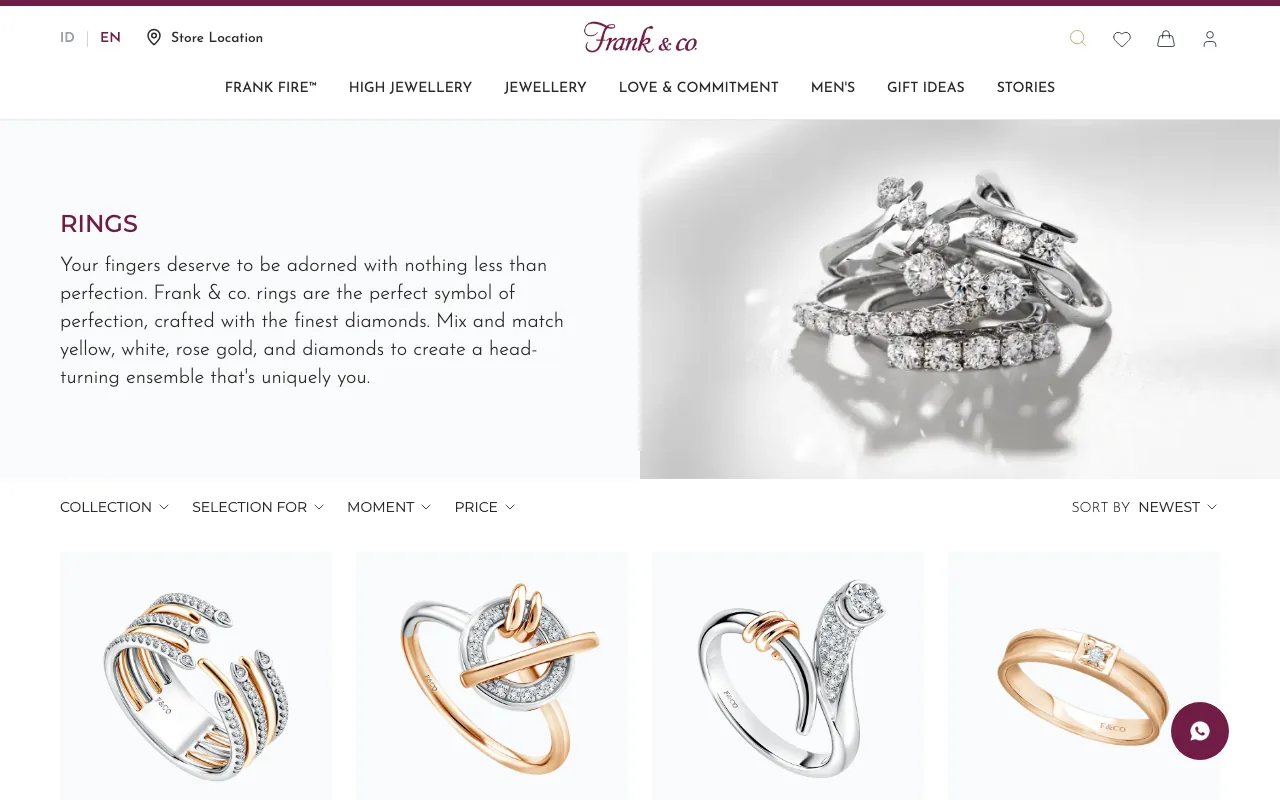
Frank & co. Adaptive PDP System
Frank & Co.’s previous PDP system was limited by manual content management, resulting in inefficiencies, high error risk, and fragmented product presentation. This project redesigned not only the PDP interface but also the underlying product architecture, transforming it into an adaptive system built on synchronized data, structured product grouping, and scalable variant logic. The result is a more efficient internal workflow and a clearer, more confident product browsing experience for users.
PROJECT INFORMATION:
The Team:
Hashfi, Zavira, Angela, Hansen, Ivan, Riky, Aligar, Yohanes
Location:
Jakarta, Indonesia
Tools:
Figma, Slack
BUSINESS CONTEXT

Frank & co. operates in a high precision jewelry environment.
The business needed:
Better operational scalability.
Structured product management.
A more intuitive PDP experience.
Reduced dependency on manual processes.
PROBLEM FRAMING
Operational Problems
Manual product input for each SKU.
High risk of human error.
Redundant product entries.
Slow content management process.
UX Problems
Fragmented product listings.
Confusing variant relationships.
Difficulty comparing color/material options.
Limited filtering capability.
At its core, the issue wasn’t visual it was architectural.
The PDP was displaying data that was structurally inefficient.
SUCCESS CRITERIA
Since the project is currently in staging, success is defined by:
Operational Success Indicators
Reduced manual product input effort.
Clear product hierarchy inside dashboard.
Faster product publishing process.
Lower risk of duplicated or incorrect entries.
UX Success Indicators (Hypothesis Based)
Clearer variant switching behavior.
Reduced confusion when selecting material/color.
More structured product information.
Improved browsing efficiency.
Future measurable metrics (post launch):
Reduced PDP exit rate.
Increased variant interaction rate.
Reduced internal content management time.
Lower data correction frequency.
STRATEGIC APPROACH
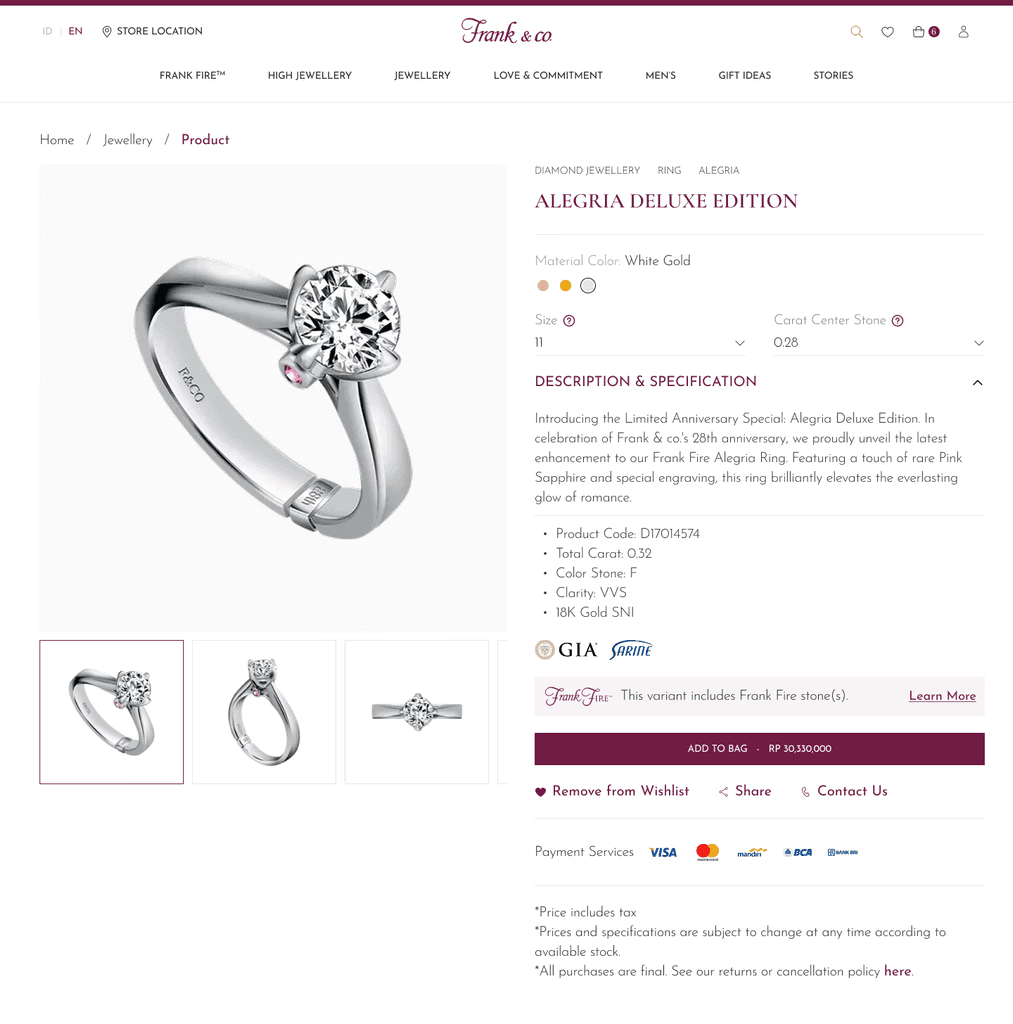
Image above is current PDP. Instead of redesigning the PDP visually per product type, I approached this as a system design problem.
Data Structure
To address these challenges, my teammate Hasfi & the developers created a product data structure map that defined how different product types, pricing states, and size variations should be handled across the PLP and PDP. The image above is just one example of another architectural data hierarchy.
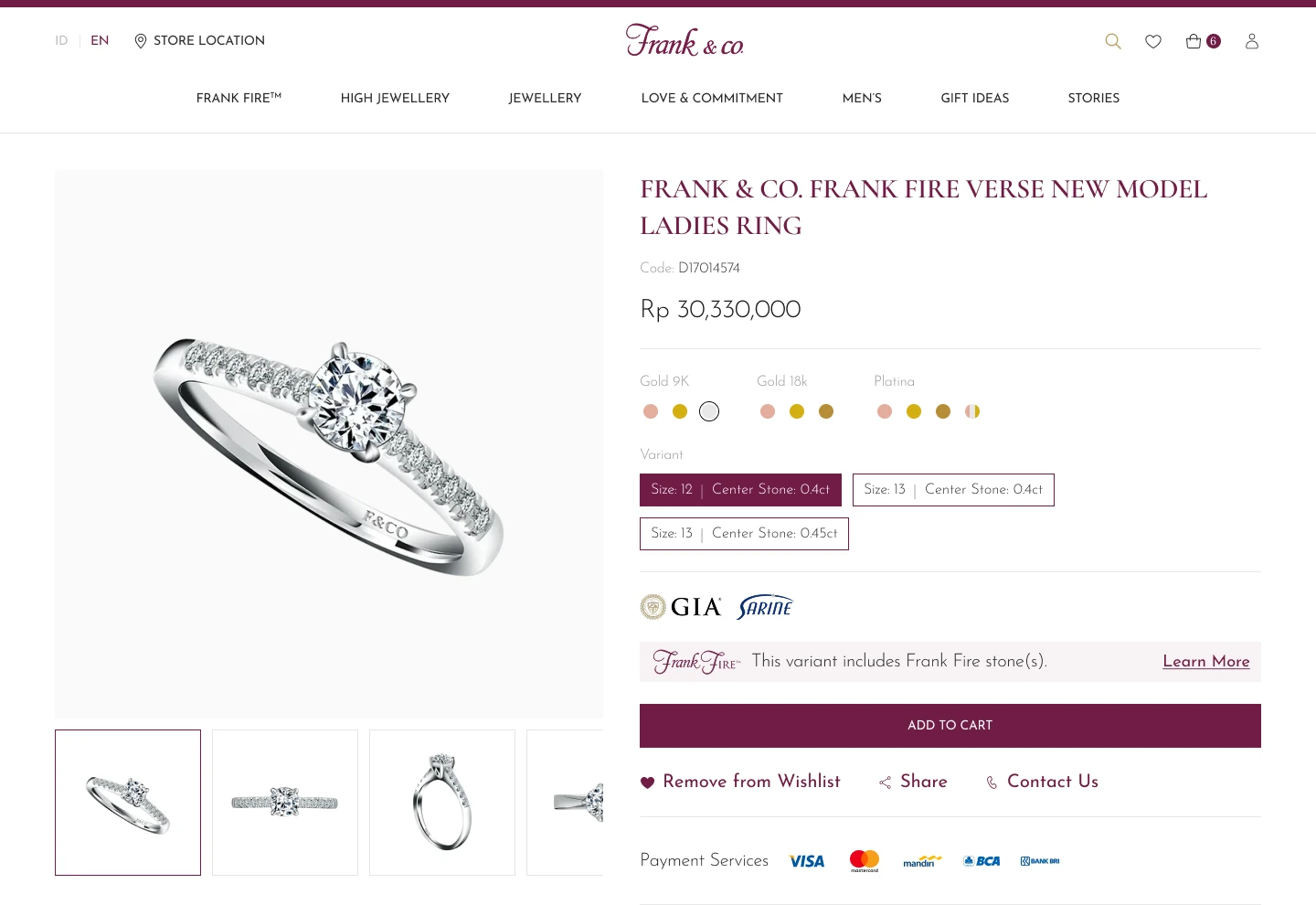
The final output is an Adaptive PDP System supported by structured data.
Key Improvements
1. Structured Variant Switching
Users can:
Switch colors
Select material options
View variant pecific details
2. Cleaner Product Relationships
Instead of fragmented product pages, users experience:
One model
Organized options
Clear selection logic
3. Backend Efficiency
Internal teams can:
Manage one model instead of multiple isolated entries
Update shared data more efficiently
Reduce repetitive manual work
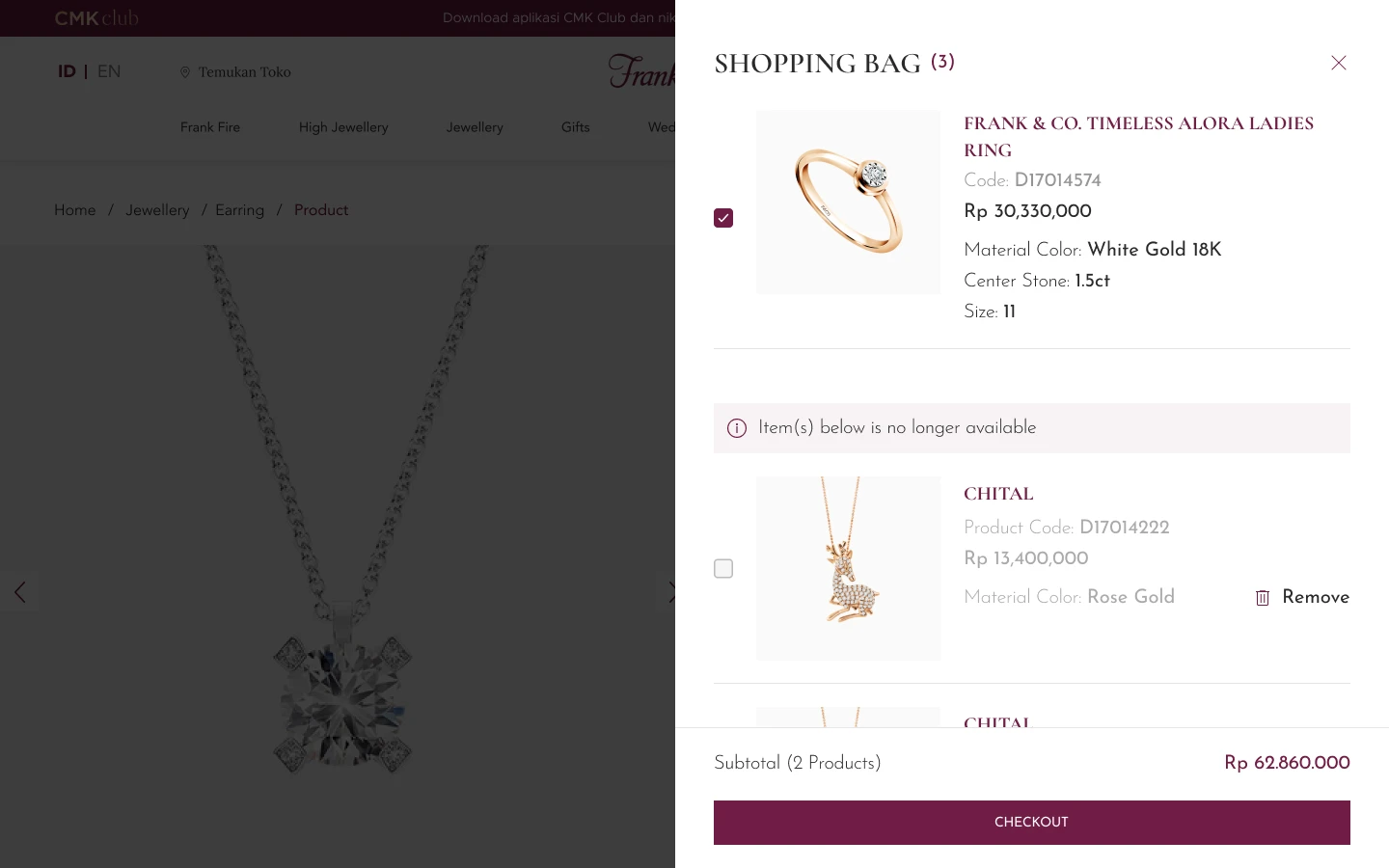
Shopping Bag Consistency
Key product data are mirrored in the Shopping Bag such as
Purchase state (Buy vs Inquiry)
Price visibility
Selected size or attributes
CTA meaning
This consistency:
Reinforces user confidence
Reduces cart abandonment caused by data mismatch
Prevents operational issues during checkout or sales follow-up
IMPACT (Qualitative Assessment)
Although still in staging, the new system demonstrates:
Significantly improved content management clarity
Better structured product relationships
Reduced dependency on manual input
More scalable architecture for future product expansion
The PDP evolved from a static product page into a dynamic, data driven product system.